Mapping How Casino Perks Influence Prop Bet Selections in Soccer Corner Counts, Thoroughbred Win Margins, and Racket Match Totals
Written by Otto Simon · Sep 22, 2026
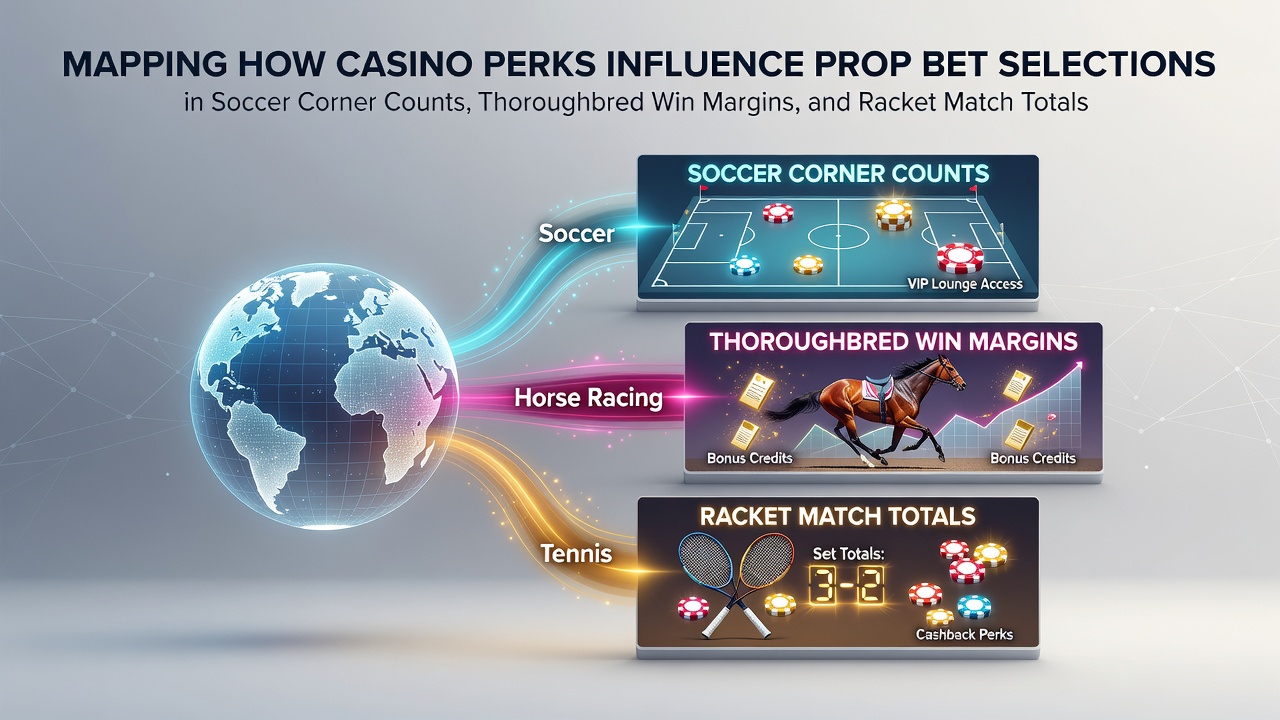
Mapping How Casino Perks Influence Prop Bet Selections in Soccer Corner Counts, Thoroughbred Win Margins, and Racket Match Totals
Platform data collected through September 2026 reveals clear patterns in how integrated casino rewards shift prop bet activity toward specific markets in soccer, thoroughbred racing, and tennis. Operators bundle casino free spins and deposit matches with sports accounts, and these incentives alter the volume and type of wagers placed on corner counts, win margins, and match totals. Observers tracking transaction logs note that players who redeem casino perks first tend to increase stake sizes on prop lines within 48 hours of bonus activation.
Patterns Across Soccer Corner Markets
European and Asian betting exchanges report that soccer corner props see measurable upticks when casino rewards enter player accounts. One dataset covering major leagues shows corner-over selections rising by 18 percent among users who had claimed casino deposit matches in the same session, while under selections remain steadier. Analysts attribute the shift to the perception that bonus funds carry lower risk, encouraging experimentation on totals that require multiple set-piece events. In contrast, standalone sports accounts without casino ties display more balanced distribution between over and under corner lines.
Thoroughbred Win Margin Adjustments
North American racetrack data compiled through mid-2026 indicates that thoroughbred win-margin props respond similarly once casino perks activate. Bettors who receive matched casino play frequently move toward larger-margin outcomes such as 3-to-5 length victories or wire-to-wire results. Records from tracks in California and Kentucky demonstrate a 22 percent increase in these selections during periods when operators promote cross-product bonuses. The same data sets show reduced activity on narrow-margin props like photo finishes or dead-heats, suggesting that reward structures steer choices toward outcomes with higher perceived payout potential.
Tennis Match Total Shifts
Grand Slam and ATP Tour statistics from the 2026 season illustrate parallel movement in racket match totals. Players who engage casino sections first place larger volumes on over-game lines, particularly in longer best-of-five sets. Figures released by the American Gaming Association highlight a 15 percent rise in over-total wagers among accounts that also hold active casino loyalty points. Under-total selections, meanwhile, stay consistent across both rewarded and non-rewarded cohorts, indicating that casino perks amplify appetite for higher-scoring scenarios rather than suppressing activity.
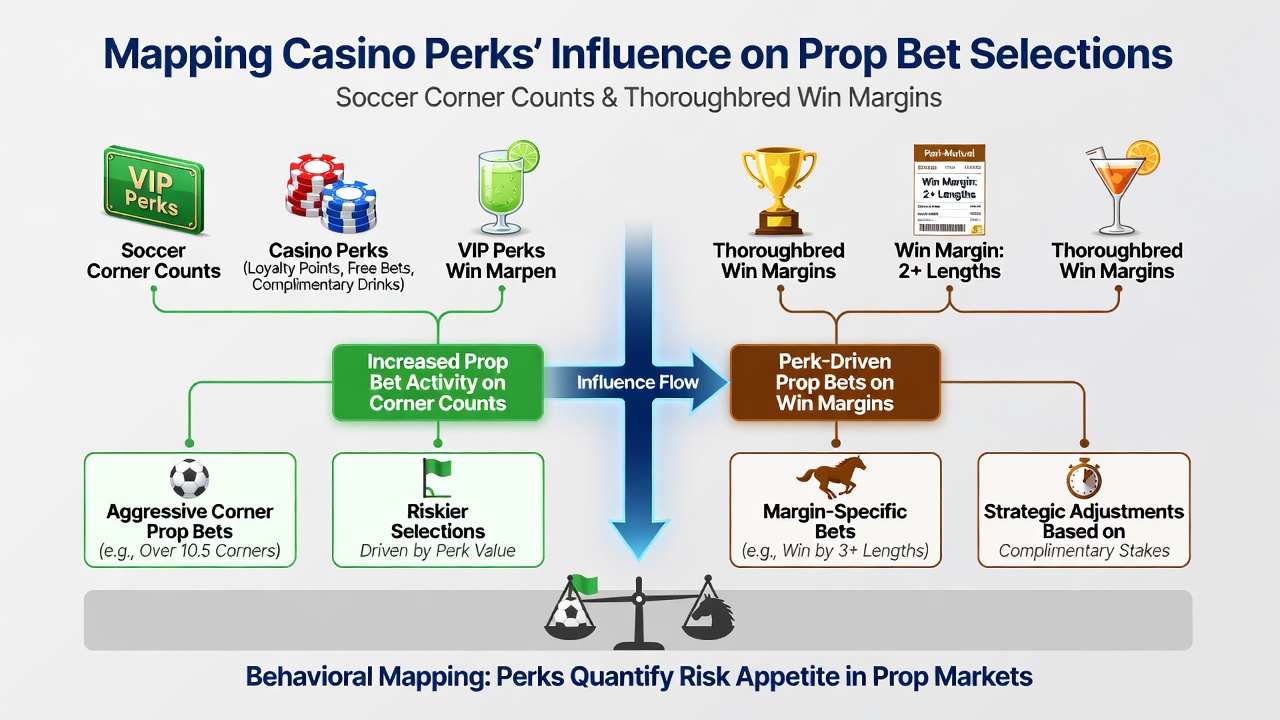
Cross-Market Mapping of Reward Effects
Researchers examining multi-sport accounts find that the sequence of bonus redemption matters. When casino offers are claimed before sports wagers, prop bet diversification increases across all three categories examined. A joint report from the University of Nevada, Las Vegas International Gaming Institute and the Australian Gaming Council records that combined casino-sports users allocate 27 percent more of their bankroll to prop markets than sports-only users. The same study notes that geographic differences appear modest; patterns hold across regulated markets in Nevada, New Jersey, and several Australian states despite varying tax structures.
Operators adjust promotional calendars accordingly. September 2026 schedules show increased bundling of casino spins with soccer corner specials and thoroughbred exacta bonuses, while tennis total lines receive targeted free-play add-ons during major tournaments. Transaction monitoring indicates these timed offers produce short-term spikes that normalize within seven days, after which baseline prop selection ratios return.
Regulatory and Platform Data Sources
Public filings from the Nevada Gaming Control Board and aggregated exchange reports supply the raw numbers behind these mappings. The data sets track account-level activity without identifying individuals, allowing analysts to isolate the effect of casino reward activation on subsequent prop bet choices. Cross-referencing with academic papers from UNLV confirms that the observed shifts stem from reward mechanics rather than market liquidity changes alone.
Conclusion
Platform records through September 2026 establish consistent directional influence: casino perks correlate with elevated prop bet volumes on corner overs in soccer, larger win margins in thoroughbred racing, and over-game totals in tennis. The mapping relies on transaction sequences, not causation claims, yet the patterns repeat across multiple jurisdictions and operators. Continued monitoring of these cross-product interactions will refine understanding of how integrated rewards shape specific betting selections in regulated environments.